

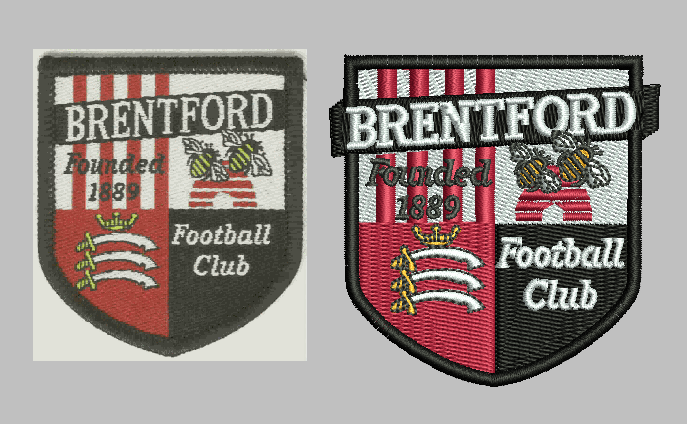
 When it comes to embroidered promotional products, the quality of the finished item depends heavily on one crucial step: digitizing.
Digitizing is not simply converting a logo into a machine file. It’s a skilled, technical process that transforms artwork into a stitch-ready format that embroidery machines can read - ensuring clean detail, accurate colours, and long-lasting durability.
At Golden Finishes, this process is where craftsmanship meets technology.
Step 1: Reviewing & Preparing Your Artwork
Before digitizing begins, we carefully assess your supplied artwork.
We check:
- File format (AI, EPS, PDF preferred)
- Image resolution (for JPG/PNG files)
- Line thickness and fine detail
- Colour references (Pantone where applicable)
- Text size and legibility
Why this step matters
Embroidery thread has weight and dimension. Fine lines that look sharp on screen may stitch too thin. Small text may need adjustment to remain readable.
If necessary, we:
- Redraw low-resolution logos
- Simplify overly intricate details
- Adjust spacing for stitch clarity
- Convert fonts to outlines
This ensures your design is suitable for embroidery before it ever reaches the machine.
Step 2: Converting Artwork into a Stitch File
Digitizing software converts artwork into a stitch-based file format (such as DST or EXP), but this is not an automatic process.
Our experienced digitizers manually define:
Stitch Types
- Satin stitch – for borders, lettering, and outlines
- Fill stitch – for larger areas of colour
- Run stitch – for fine details and reinforcement
Stitch Direction
The angle of stitching affects texture, light reflection, and visual depth.
Stitch Density
Too dense → fabric puckers
Too light → gaps appear
We balance density based on:
- Fabric type
- Product size
- Thread type
- Intended durability
Underlay Stitches
These create structure beneath the top stitches to improve stability and edge sharpness.
This manual control ensures clean edges, consistent quality, and reduced thread breaks during production.
Step 3: Product-Specific Digitizing
One common misconception is that a single embroidery file works for all products.
In reality, each item requires tailored adjustments:
Embroidered Badges
- Tight stitch control for crisp edges
- Reinforced borders (e.g., merrow edging)
- Stable backing materials
Pennants
- Consideration for fabric drape
- Larger stitch areas balanced for flexibility
- Placement accuracy
Scaling a design up or down changes stitch density and structure — so we create size-specific files for each product.
Step 4: Sampling & Quality Checks
Before full production, we test stitch the design.
This allows us to:
- Confirm colour matching
- Assess texture and clarity
- Check stitch stability
- Fine-tune density if required
Only once we’re satisfied with the result does production begin.
What Happens Without Professional Digitizing?
Poor digitizing can lead to:
- Distorted logos
- Uneven stitching
- Thread breaks
- Puckered fabric
- Poor durability
Professional digitizing ensures:
✔ Crisp detailing
✔ Accurate colour matching
✔ Long-lasting embroidery
✔ Consistent brand presentation
✔ Reduced production issues
For clubs, schools, corporate events and organisations, this means your promotional items look polished and professional every time.
What We Recommend Sending
To achieve the best result, we suggest:
- Vector artwork (AI, EPS, PDF preferred)
- Pantone colour references (if brand-specific)
- Intended finished size
- Fabric/product type
- Placement instructions
If you’re unsure, our team can guide you through the process to make ordering simple.
From Artwork to Premium Finish
Digitizing is the foundation of every embroidered promotional product we create. Whether it’s a badge, pennant, Flag or custom garment embellishment.
With decades of experience, Golden Finishes ensures that every stitch represents your brand with precision and quality.
If you’re planning embroidered promotional items, we’d be happy to bring your artwork to life with expert digitizing and professional production.